My private investigator in 1937 Des Moines is the kind of woman who would spit in the governor’s eye, and face down a grand jury after killing a man with jiu-jitsu if it meant saving the life of the man she loves. She’s a cactus in human form — sharp, self‑reliant, and allergic to vulnerability. But there is one thing that takes her out at the knees: her period. And honestly, I can’t blame her.
Before a uterine ablation my own periods were hell. Not the poetic, Victorian kind of suffering. The real kind. Cramps. Bloating. Nausea. Nickel‑sized clots. Diarrhea. Sweating through clothes. And an irritation that simmered under my skin until the bleeding faded and I recognized myself again on the other side. If my P.I. collapses under that kind of monthly assault, she’s in good company.
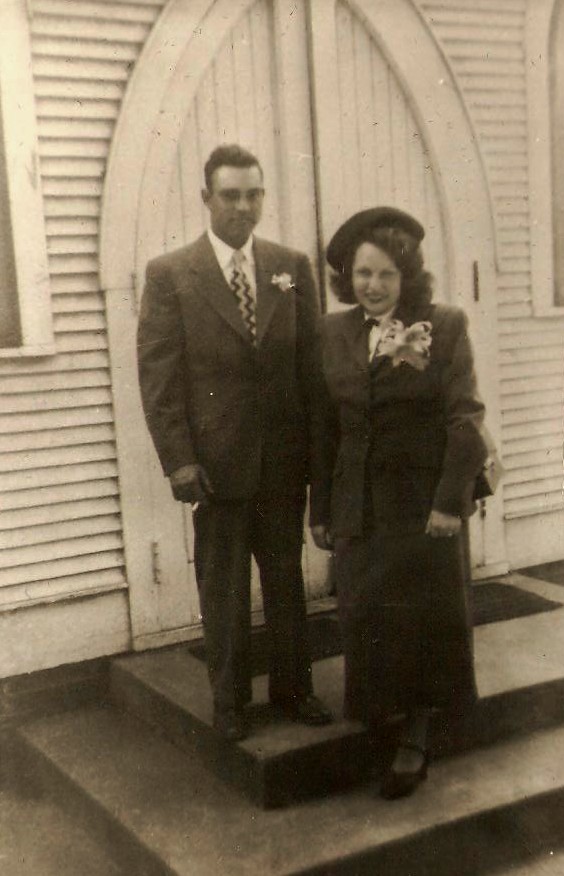
I was thirteen, when I first asked my Grandma Dee what she used for pads when she was my age. I was curled up in my own tenth circle of hell, desperate for any wisdom that might ease my misery. Grandma Dee, born in 1929, told me that by the time she was a teenager, her mother had already died of breast cancer. Her older sister — married, with kids of her own — handed her a few rags, gave her a little advice, and told her to wash them out every month. That was it. Anything else, Delores was on her own. Which, frankly, was her operating mode for the next eighty years.
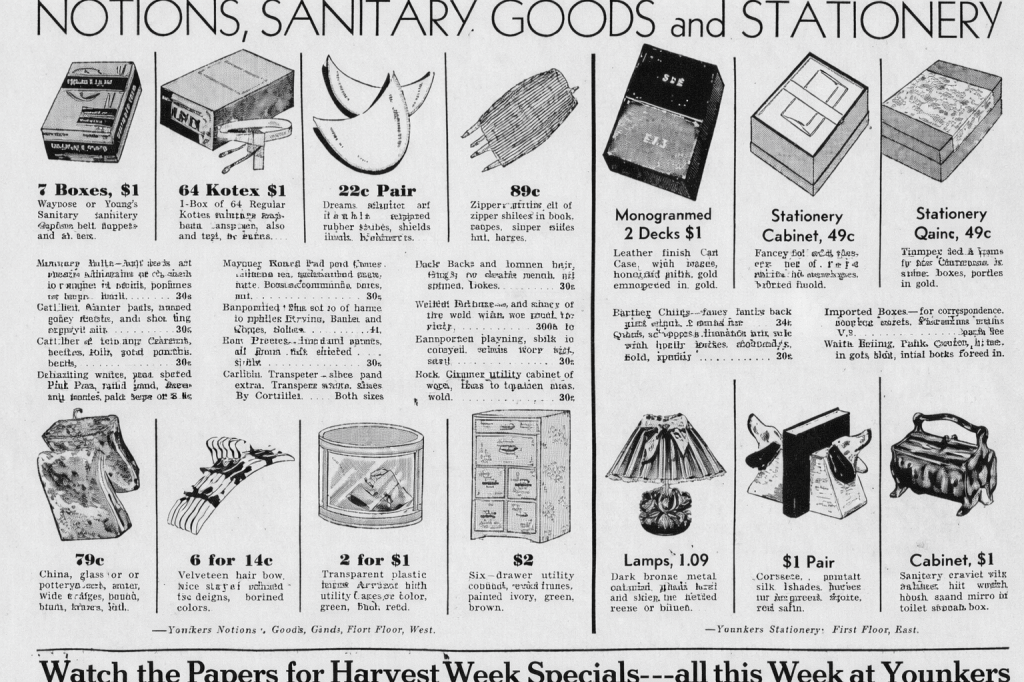
My own operating mode was curiosity. It followed me when I went to stay with my other grandparents, Betty and Estel. Grandma Betty was a short woman with an infectious laugh — the kind that made you forget she could stab you through the heart with a single look. I spent a lot of time with her, and one summer, while I lay curled on their couch in a fetal position wishing for death, she offered a rare moment of empathy. She patted my leg and said she’d been there too.
Knowing what Grandma Dee had used, I asked Grandma Betty if she’d used rags too. She turned away from the television and gave me the look — the one that made me regret thinking the question, much less asking it. Then she turned back to the screen and said only poor girls used rags. She used Kotex and another brand that started with a M I couldn’t remember.
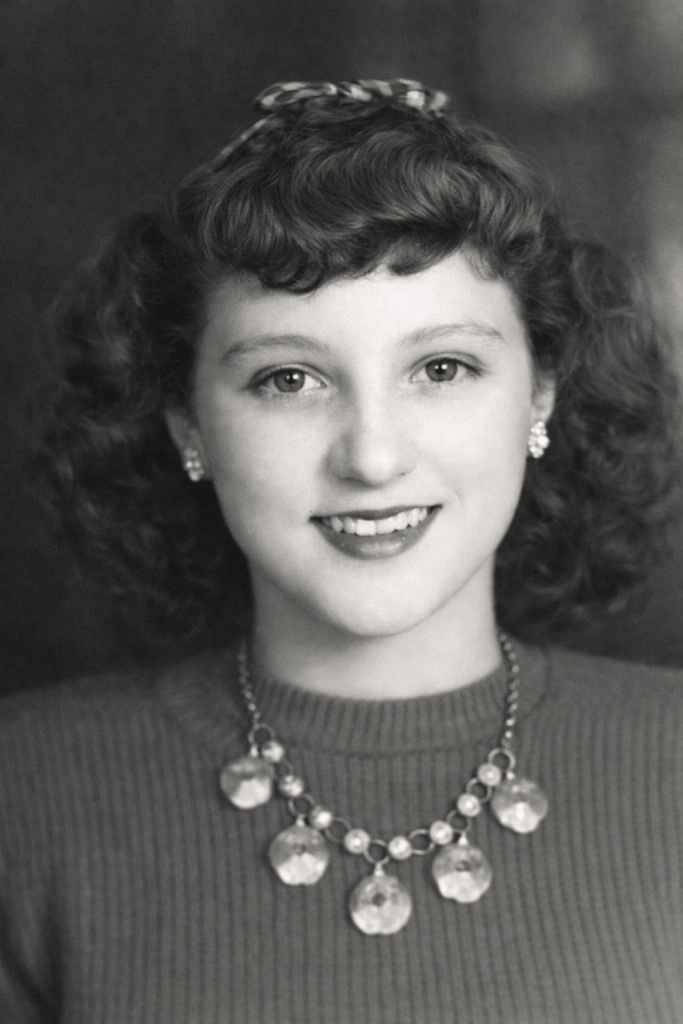
Later, my Great Aunt Dorothy — married to my Great Uncle Corky — confirmed the mysterious M brand was Modess. Dorothy also confirmed that while her periods weren’t too bad, the equipment was a giant pain in the ass. The belt. The aprons. The pads that had to be adjusted for length and thickness, secured to the belt with safety pins that had a mind of their own.
Dorothy attended a small rural school in western Iowa in the late 1940s, where Six‑on‑Six girls’ basketball was the best game in town. She and the rest of the Piratettes were treated like goddesses. But even goddesses had a weakness. Dorothy said the safety pins often popped loose and jabbed her in the privates during crucial moments in a game. Girls today, she said, have it easier — and she wasn’t wrong.
When I envision my P.I. in 1937, doubled over with cramps and trying to pretend she isn’t, I think about these women. The rags. The belts. The ingenuity. The endurance. And I realize that giving my cactus‑hearted detective a period bad enough to derail her isn’t a weakness. It’s a lineage.