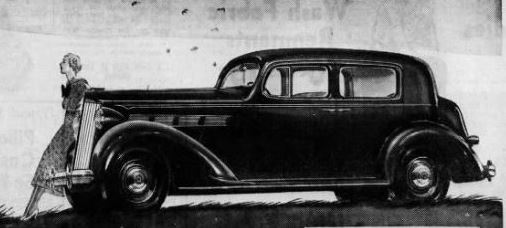


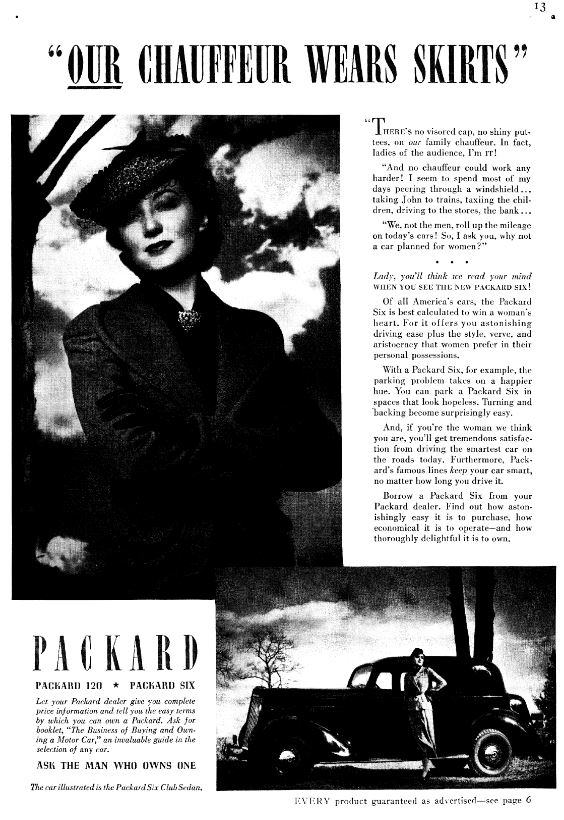
“Ask the Man Who Owns One” Packard Advertising 1937
The economy was looking a little better by the spring of 1937.1 The Packard Automobile Company decided to cash in on the prosperity. “From 1930 until World War II, Packard was the foremost luxury automobile, not only in America but internationally as well.”2 This time around Packard advertisers turned their attention to the female market. Especially with the introduction of lower-cost models such as the Six and One-Twenty.3
An upper-middle-class woman in the late 1930s needed a Packard for the following:
1) Shopping 2) ‘Jitneying’ aka dropping the kids off at school 3) A social life 4) Save money.4
The advertising ploy apparently worked. Packard saw an increase in production from 1936 (80,699) to 1937 (109,518). Due to the Crash of 1937, much of the previous years’ prosperity was lost (50,260).5
Des Moines, Iowa

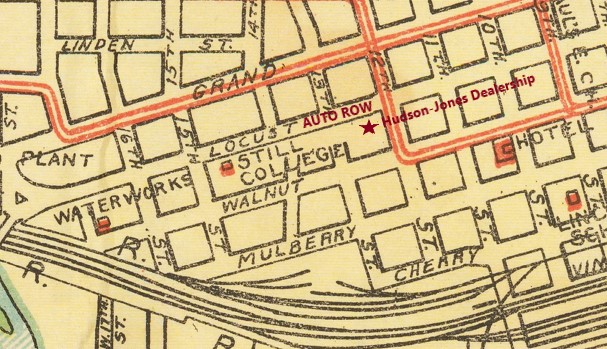
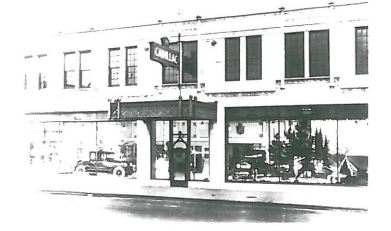
One of the lead Packard Dealers was Hudson-Jones Automobile Company, located at 1408 Locust Street. This area of Des Moines was known as “Auto Row” on the west side of downtown as early as 1916 until post-WWII when many of the auto dealers moved to the east side of the Des Moines River.6 One historian suggested the garages became too small to accommodate the length of the cars.7 The Hudson-Jones Dealership property was owned by the Hubbells who provided a long-term lease to the auto dealer. By the late 1920s, Hudson carried a wide range of cars. Later, it operated as a wholesale distributor to many rural towns in Iowa. For example, a dealer would bring his customer to Des Moines for purchase, and the dealer would then provide the ongoing maintenance. The building was expanded in 1933 and later demolished to make way for new construction in 2002.8
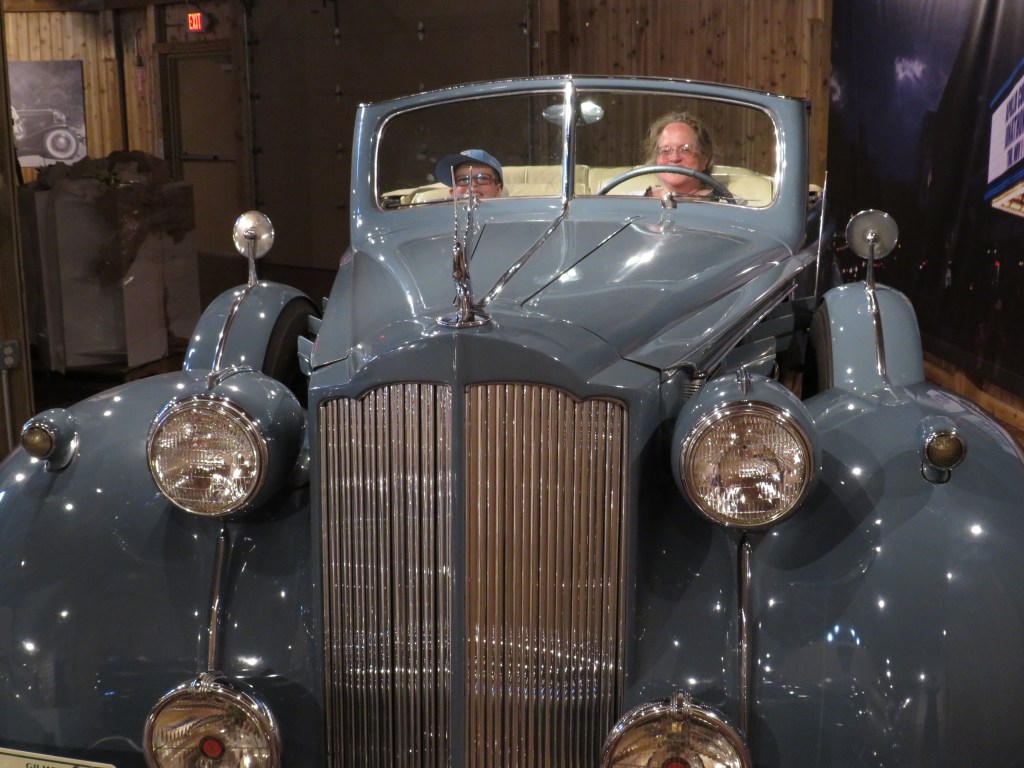
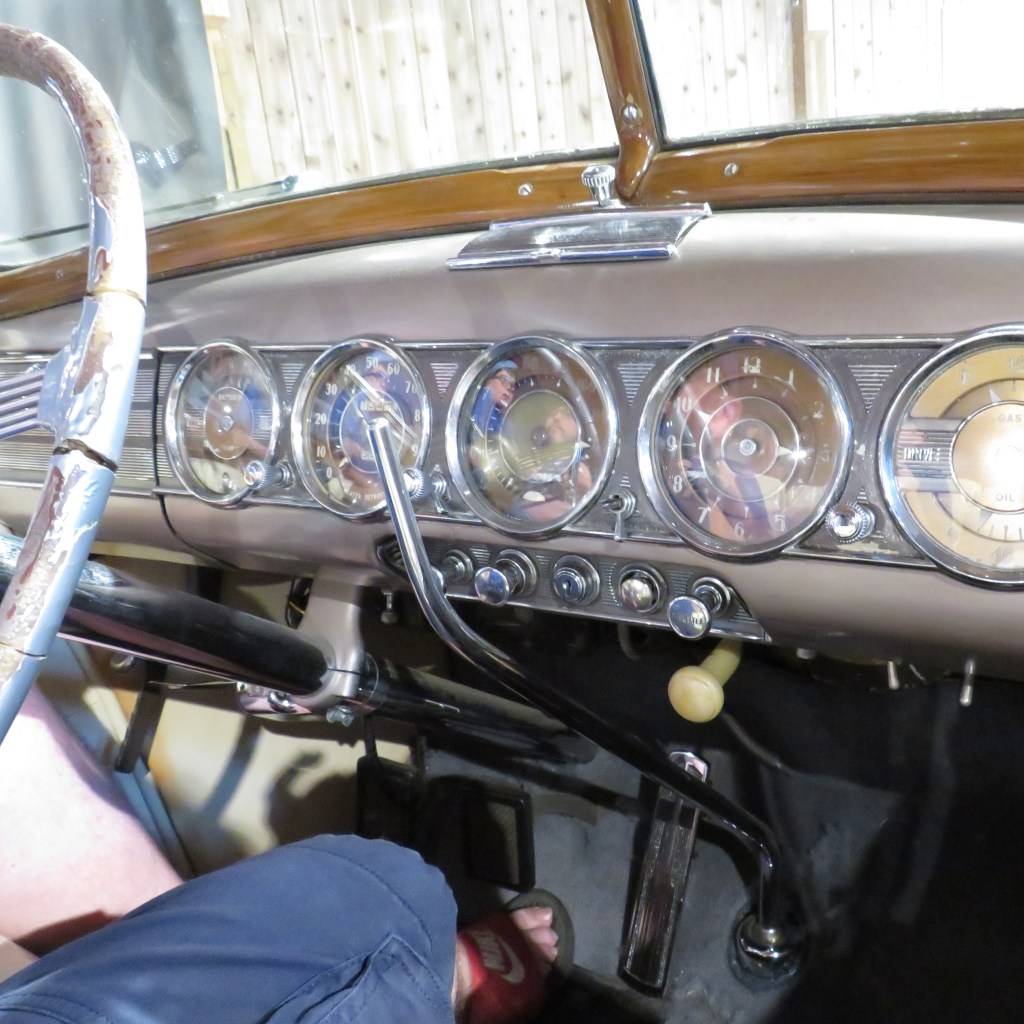
A Packard is my favorite pre-World War II car. I felt they had a refinement and elegance that a lot of cars of the era couldn’t match. I was fortunate enough to sit in one at the Gilmore Car Museum. I’m very short, but I was able to adjust the seat and sit comfortably (the giant steering wheel takes some getting used to).
Sources:
- “Depression of 1937.” Digital History. 2021. Accessed: 6 November 2023. ↩︎
- “Peverills and the Automobile 1906-1952.” Amherst College Digital Collection. Accessed: 7 November 2023. ↩︎
- Arthur W. Einstein. “Ask the Man Who Owns One”: An Illustrated History of Packard Advertising. New York: McFarland & Company, 2016. ↩︎
- Heitmann, John. “1937 Packard 120 — The Perfect Car for a Woman’s Personal Use.” The Automobile and American Life. 21 April 2018. Accessed: 6 November 2023. “Three Reasons Why Women Leave Home.” Good Housekeeping, 3. Volume 104 (March 1937): 13. Cornell University Library Digital Collections. Accessed: 6 November 2023. “Our Chauffeur Wears Skirts.” Good Housekeeping, 5. Volume 104. (May 1937): 13. Cornell University Library Digital Collections. Accessed: 6 November 2023. ↩︎
- Einstein. “Ask the Man Who Owns One”. Most women didn’t have access to available credit to purchase a car. And if they did they needed a male co-signer until the Equal Credit Opportunity Act was passed in 1974. Sandberg, Erica, and Claire Dickey. “The History of Women and Credit Cards.” Bankrate. 1 March 2023. Accessed: 23 November 7. ↩︎
- Jacobsen, James E. “D.S. Chamberlain Building.” National Register of Historic Places Registration Form. United States Department of the Interior, National Park Service. 13 March 2007. Accessed: 7 November 2023. ↩︎
- James, Jennifer. “G.W. Jones Building.” National Register of Historic Places Nomination Form. United States Department of Interior, National Park Service. 29 April 2016. Accessed: 7 November 2023. ↩︎
- “Peverills and the Automobile 1906-1952.” Amherst College Digital Collection. Accessed: 7 November 2023. “The Des Moines Public Library building turns 15 with a look back at the past.” Des Moines Register. Online. 8 April 2021. “Hudson-Jones Leases Building.” Des Moines Tribune. Des Moines, Iowa: 16 June 1933, 17. ↩︎

 L.M. Elm, Historical Novelist